
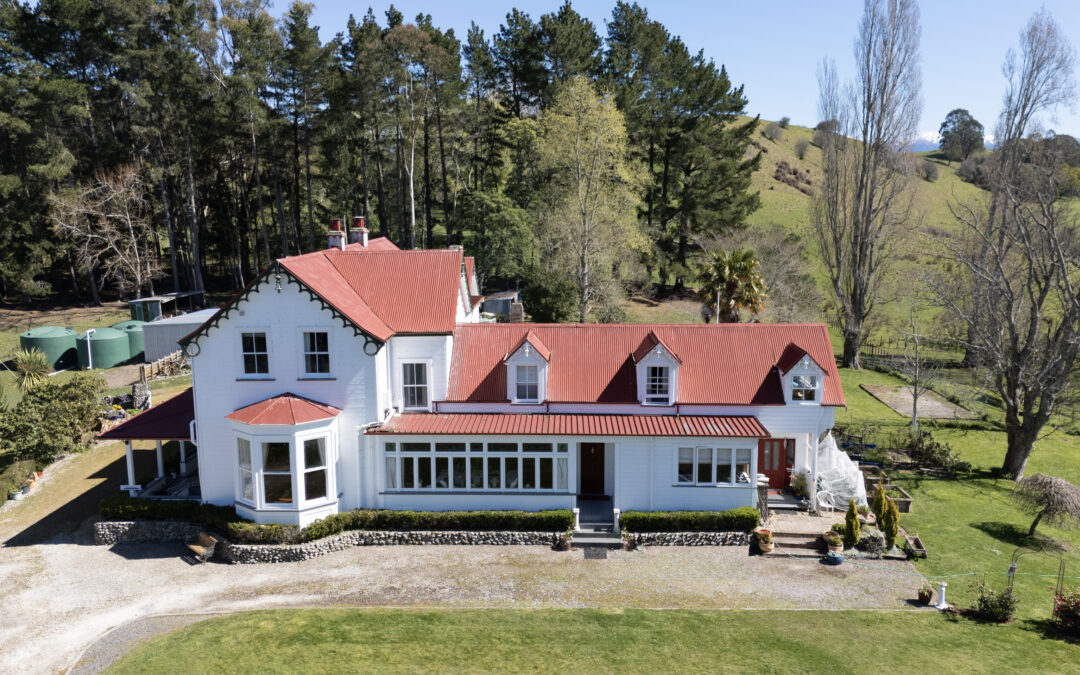
The pleasure of Central Hawke’s Bay is that it does not insist on itself. You arrive to open paddocks, long light, quiet roads, and small towns that still feel grounded in daily life. This Central Hawkes Bay travel guide is for travelers who want more than a checklist – those looking for heritage, good food, thoughtful detours, and the kind of countryside stay that lets the region unfold at a gentler pace.
Unlike busier destinations that reward speed, Central Hawke’s Bay is best appreciated slowly. A morning coffee in Waipawa or Waipukurau, an unhurried browse through a village main street, a drive over rolling farmland, a visit to the Sunday Onga Onga village museum, and an afternoon by the coast can make for a day that feels full without being crowded. That slower rhythm is part of the region’s appeal, especially for couples and leisure travelers who value comfort, character, and a strong sense of place.
Why a Central Hawkes Bay travel guide matters
Central Hawke’s Bay sits between better-known New Zealand touring routes, which means many visitors pass through without realizing what they are missing. The reward for staying a little longer is a landscape rich in contrast. There are gracious rural homesteads, old church halls, historic town centers, river valleys, and dramatic stretches of coastline, all within easy reach of one another.
It is also a region where the experience depends on what kind of traveler you are. If your ideal day includes boutiques, large cellar doors, and late nights, you may prefer to spend more time in the wider Hawke’s Bay area. If, however, you are drawn to peaceful mornings, heritage settings, farm and garden views, and hosts who can point you toward the places locals actually enjoy, Central Hawke’s Bay becomes deeply rewarding.
Where to begin your stay
Most visitors use one of the small towns as a base, and each has its own character. Waipawa is one of New Zealand’s oldest inland towns and has an easy, lived-in charm. It works well for travelers who like to be close to cafés, essential shops, and a handful of heritage buildings without losing the rural atmosphere.
Waipukurau is slightly larger and practical for those wanting convenient services while still remaining close to scenic drives and countryside excursions. Then there are the quieter rural pockets beyond the town centers, where the stay itself becomes part of the destination. For many guests, this is where Central Hawke’s Bay is at its best. A heritage property with established grounds, peaceful views, and welcoming hosts offers something a standard motel cannot – a genuine sense of arrival.
If you are choosing accommodation, think about what you want your evenings to feel like. Being in town offers convenience. Staying in the countryside offers stillness, dark skies, and a more memorable atmosphere. There is no single right answer, but for travelers seeking romance, rest, or a more elevated regional escape, the second option often lingers longer in memory.
What to see in Central Hawke’s Bay
The towns are small enough to explore without planning too heavily, which is part of the pleasure. In Waipawa and Waipukurau, give yourself time to notice the older facades, local shops, and the everyday pace of the streets. These are not places designed for spectacle. Their charm comes from continuity, community, and the way heritage remains part of ordinary life.
For a coastal outing, Kairakau Beach offers a striking change of scene from the inland plains. The road out feels part of the adventure, with broad rural views giving way to dramatic shoreline. Depending on the weather, this can be a place for walking, reading in the car with the windows cracked open, or simply watching the sea. It is less polished than resort beaches, but that is precisely the appeal.
Mangaorapa Road and other country drives in the district can be equally memorable for travelers who enjoy scenery for its own sake. The hills roll softly in some places and feel grander in others, with seasonal color shifting from fresh green to gold. If you are fond of photography, early morning and late afternoon light can be especially beautiful.
Heritage-minded visitors should also keep an eye out for churches, old public buildings, and homesteads throughout the district. Some are modest, some more stately, but together they tell the story of a region shaped by farming, endurance, and a strong connection to land.
Food, wine, and the pleasure of stopping well
A good Central Hawkes Bay travel guide should be honest here – this is not a dining capital, and that can be a strength. Rather than racing between headline restaurants, many visitors enjoy the region through smaller pleasures: a well-made breakfast, a relaxed lunch in town, local produce, and wine enjoyed in an unhurried setting.
The wider Hawke’s Bay wine reputation certainly benefits the region, and Central Hawke’s Bay can be folded into a broader food and wine itinerary with ease. If wine is central to your plans, you may want to pair a country stay here with a day trip into the more concentrated winery areas. That balance works beautifully: peaceful accommodation and rural charm on one hand, cellar door experiences and larger hospitality hubs on the other.
For many guests, though, the most satisfying meals are the ones that fit the mood of the trip. A generous breakfast before a day out, something simple after an afternoon drive, and a good bottle shared in quiet surroundings often suit this part of the country better than over-scheduling every reservation.
A two-day pace that feels just right
If you have two days in the area, keep the structure light. On your first day, settle in properly rather than trying to see everything at once. Arrive, take in the landscape, and spend the afternoon visiting Waipawa or Waipukurau. Browse, pause for coffee, and let the region introduce itself gradually. In the evening, return to accommodation that feels restorative rather than merely functional.
On the second day, choose between coast and countryside. A beach outing gives you drama and fresh air. A day of inland driving offers heritage, golf opportunities, scenery, and those lovely unscripted moments when a view causes you to pull over simply because it is beautiful. If time allows, leave room for one longer lunch or a slow afternoon reading in the garden. Central Hawke’s Bay rewards travelers who do not fill every hour.
With three or four days, the experience becomes richer. You can range more widely, include a winery day elsewhere in Hawke’s Bay, visit Te Mata Peak and still preserve the calm that makes this district distinctive.
When to visit
Spring and autumn tend to suit the region especially well, Spring brings a softness and fresh color to the landscape, while autumn can feel golden and settled, with gentle light that flatters the countryside. A highlight is the famous Spring Fling event (https://www.thespringfling.nz/) , showcasing the charm of the area. Summer is appealing if coastal drives are high on your list, though some days can be very warm and brighter light can make midday sightseeing less atmospheric.
Winter has its own quiet grace, particularly if you enjoy fireside comfort, misty mornings, and the romance of a historic stay. The trade-off is shorter daylight hours and fewer reasons to linger outdoors, so winter works best for travelers who value rest and ambiance as much as activity.
Staying in a way that suits the region
Where you stay shapes how you remember Central Hawke’s Bay. This is a destination best matched with accommodation that reflects its character – calm, generous, and rooted in place. A heritage homestead or refined country retreat feels more aligned with the district than something purely transactional.
That is why many discerning travelers choose a stay that offers both comfort and local insight. Ashcott Homestead, (https://ashcotthomestead.com/) for instance, gives guests the atmosphere of a historic estate together with the warmth of attentive hosting, making it easier to experience the region not as a passerby but as a welcomed visitor. In a part of the country where pace and place matter, that difference is meaningful.
Practical notes for a smoother trip
A car is the best way to experience the district well. Distances are manageable, but the pleasure often lies in the roads between places rather than in the towns alone. Keep your plans flexible enough to allow for weather, a scenic detour, or a recommendation from your host.
It also helps to book accommodation ahead if you are traveling during holiday periods or shaping your trip around a special occasion. Options with genuine character are limited, and that scarcity is part of what makes a well-chosen stay feel special.
Bring walking shoes, layers for changing weather, and an appetite for a quieter kind of luxury. Not the luxury of excess, but of space, stillness, and thoughtful hospitality. Central Hawke’s Bay does not rush to impress, and that is precisely why it stays with you.
Recent Comments