
The choice between a boutique hotel or bed breakfast usually becomes real at the exact moment a trip starts to take shape. You have the destination in mind, perhaps a long weekend, perhaps a slower holiday, and then comes the question that quietly determines the feel of the entire stay. Do you want polished independence, or do you want the warmth of a place that feels gently hosted?
Both can be memorable. Both can be beautiful. Yet they offer very different kinds of comfort, and the difference matters more than star ratings or room count ever suggest.
Boutique hotel or bed breakfast: what changes the experience?
A boutique hotel is often defined by design, atmosphere, and individuality. It tends to be smaller than a large commercial hotel, with more character and a stronger point of view. You might find carefully styled interiors, a curated food and beverage program, and a sense that every visual detail has been considered.
A bed and breakfast, by contrast, is usually centered on hospitality in the older sense of the word. It is less about a branded concept and more about welcome, comfort, and personal care. The best ones feel lived-in without being casual, refined without being distant. Breakfast is part of the rhythm of the stay, and so is the presence of hosts who know the house, the landscape, and the surrounding region intimately.
That does not mean one is better than the other in every case. It means they answer different travel desires. A boutique hotel may suit guests who want style, privacy, and a more self-directed pace. A bed and breakfast often suits those who value connection, quiet detail, and the feeling that their stay has been thoughtfully prepared for them.
When a boutique hotel feels like the right choice
There are trips where a boutique hotel makes perfect sense. If you plan to spend most of your time out in town, moving between restaurants, galleries, shops, and evening plans, a boutique hotel can offer exactly the right level of comfort without asking much of your attention. You come and go easily, enjoy a well-appointed room, and keep your own schedule.
This format also appeals to travelers who prefer a clear boundary between themselves and their accommodation. Some guests do not want much interaction, however gracious. They want discretion, efficiency, and the ability to slip in late after dinner or leave early without disturbing the cadence of a private home.
There is also the matter of amenities. Some boutique hotels offer bars, concierge services, fitness spaces, or in-room dining that a bed and breakfast may not. If those features shape how you like to travel, the decision can be straightforward.
Still, boutique hotels can sometimes feel more designed than rooted. They may be beautiful, even striking, yet not especially tied to the character of the place around them. For travelers seeking atmosphere alone, that may be enough. For travelers hoping to feel the story of a region, it may leave something missing.
Why a bed breakfast often feels more memorable
A fine bed and breakfast has a different kind of presence. It does not simply accommodate a trip. It becomes part of it.
That difference begins with scale. Fewer rooms usually mean quieter common spaces, more thoughtful hosting, and a pace that allows guests to exhale. You are not one reservation among many. You are welcomed, shown the shape of the house, and given the sense that your comfort has been anticipated.
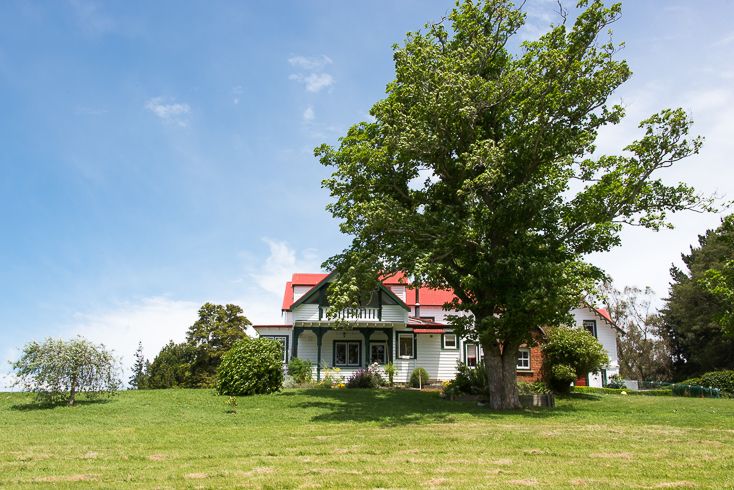
Then there is the matter of place. A bed and breakfast with heritage character offers something few modern properties can recreate honestly. Original timber, high ceilings, old gardens, views over farmland or trees, and the subtle creak of a house that has stood for generations can give a stay an emotional texture that polished newness cannot imitate.
For couples especially, this matters. Romantic travel is rarely about square footage alone. It is about mood, quiet, and the feeling of having chosen somewhere with soul. A thoughtfully kept homestead or country house often provides that more naturally than a trend-conscious hotel.
Breakfast itself should not be dismissed as a minor detail. Shared or hosted morning meals can gently shape the day, offering not only good food but also conversation, local suggestions, and the sense that the day ahead belongs to the region rather than an itinerary app. For many guests, that is when a stay begins to feel personal.
The trade-offs worth considering
The honest answer to boutique hotel or bed breakfast is that it depends on how you like to be cared for.
If you value anonymity, a hotel may feel easier. If you value recognition, a bed and breakfast often feels richer. If your ideal stay includes a busy lobby, late-night cocktails, and urban energy, a boutique hotel can be the better fit. If your ideal stay includes gardens, quiet reading corners, a beautifully prepared room, and hosts who can tell you which road to take for the loveliest drive, a bed and breakfast may be exactly right.
There are practical differences too. Boutique hotels may have more standardized systems and broader staffing. Bed and breakfasts often offer a more tailored experience, but with that comes a slightly more intimate rhythm. Some travelers love that immediately. Others discover they love it only after trying it.
Price is not always the deciding factor people expect. A bed and breakfast can offer greater value when breakfast, local guidance, spacious grounds, and distinctive surroundings are all part of the stay. A boutique hotel may justify its rate through location, service infrastructure, or design-led amenities. The better question is not simply what costs more, but what feels worthwhile to you.
Boutique hotel or bed breakfast for a countryside escape
For a rural or regional getaway, the balance often tips toward a bed and breakfast, especially when the property itself is part of the destination. In the countryside, guests are usually not looking for a place to sleep between appointments. They are looking for atmosphere, rest, and a more meaningful sense of arrival.
This is where heritage accommodation shines. A gracious home set in established grounds offers more than shelter. It gives shape to the entire visit. You notice the light in the morning, the hush in the evening, the view from your room, and the pleasure of returning after a day of exploring to somewhere that feels settled and welcoming.
In places such as Central Hawke’s Bay, where the appeal lies in open landscapes, local wineries, small-town charm, and unhurried discovery, a host-led stay often deepens the experience. Thoughtful recommendations carry more weight when they come from people who genuinely know the district. The result is a holiday that feels less manufactured and more personal.
That is one reason properties such as Ashcott Homestead leave such a lasting impression. The heritage setting, individually appointed rooms, and generous hospitality create the sort of stay that does not blur into the next one.
How to choose with confidence
If you are still deciding, picture not the check-in desk but the hour before bed and the first hour after waking. Those are the moments that reveal what kind of traveler you are.
If you imagine yourself wanting sleek privacy, room service, and a stylish base that asks little of you, choose the boutique hotel. If you imagine yourself enjoying a slower morning, a distinctive house, attentive hosting, and the quiet assurance that someone has already thought about what might make your stay special, choose the bed and breakfast.
The best stays are not always the most elaborate. They are the ones that fit the trip you actually want. For travelers who care about character, comfort, and a genuine sense of place, a bed and breakfast often offers something rare: not just accommodation, but welcome.
And when a place gives you that, the trip tends to linger long after you have packed your bag.
Recent Comments