
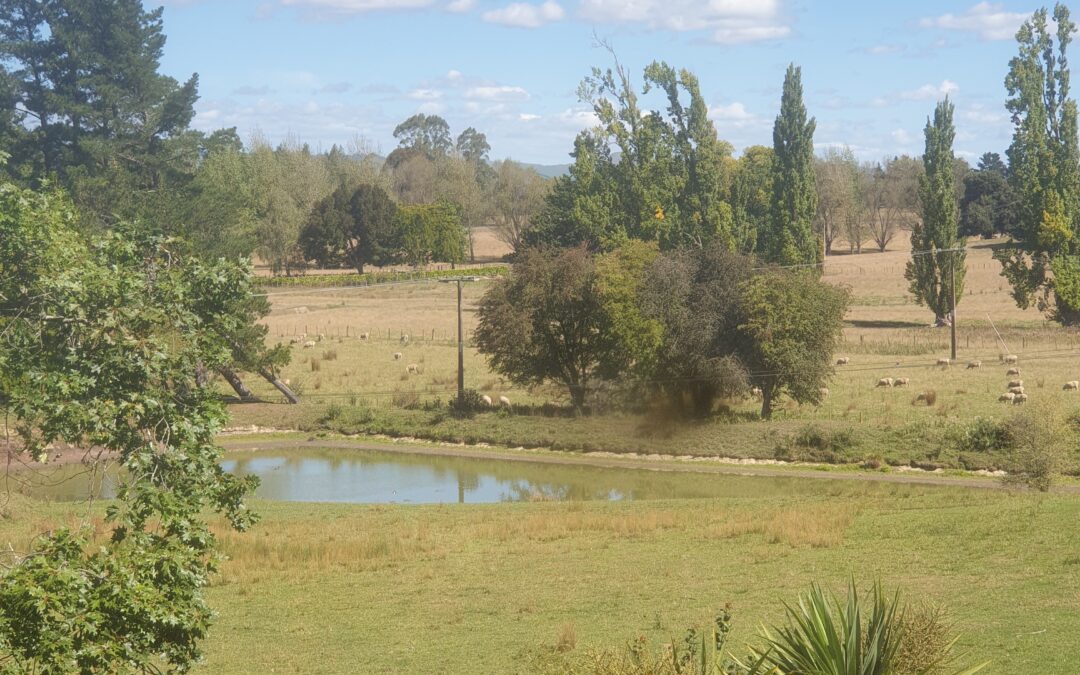
The first thing you notice in a room with a true rural outlook is often the quiet. Before breakfast is served, before a day of wine tasting or country drives begins, there is the simple pleasure of drawing back the curtains to see paddocks, grazing animals, old trees, gardens, and a changing Hawke’s Bay sky. Rooms with countryside views are not simply rooms with a pleasant backdrop. They shape the pace and feeling of an entire stay.
For travelers who choose heritage accommodation, the view matters because it completes the story. A gracious old home has greater meaning when its windows frame the land it has long belonged to. It offers a sense of arrival that cannot be reproduced by a standard hotel room, however polished its furnishings may be.
Why countryside views change a stay
A countryside view creates a natural pause. It encourages guests to linger over morning coffee, read for another chapter, or return a little earlier in the afternoon rather than treating the room as somewhere to sleep between plans. The landscape becomes part of the experience, changing with the light, the weather, and the season.
In Central Hawke’s Bay, that landscape might include rolling farmland, established trees, clipped gardens, distant hills, or the soft gold of late afternoon across open country. There is visual space in these scenes. For guests accustomed to busy streets, apartment outlooks, or tightly scheduled days, that openness can feel wonderfully restorative.
The appeal is not only romantic, though it is certainly well suited to a couple’s escape. Solo travelers often appreciate the calm and privacy that a rural outlook brings. Friends touring the region may welcome a peaceful place to regroup after a full day. Heritage enthusiasts tend to find that a view across the estate grounds or surrounding farmland deepens their connection to the property’s history.
A beautiful outlook also gives a room a character that photographs alone cannot quite convey. The same window may hold mist in the morning, bright green after rain, and a lavender-blue horizon at dusk. No two stays look exactly alike.
What makes rooms with countryside views genuinely special
Not every rural-facing room offers the same experience. The most memorable ones balance the scenery with comfort, privacy, and thoughtful design. A small window at the end of a corridor is very different from a generously proportioned guest room where the view is visible from a comfortable chair, the bed, or a quiet corner set aside for tea.
A view you can enjoy, not just glimpse
The best countryside rooms make it easy to spend time with the outlook. Windows should welcome natural light without sacrificing the sense of retreat that guests expect. Seating near the window is a lovely detail, particularly for early risers who enjoy watching the day begin or for guests returning after dinner.
Orientation matters as well. East-facing rooms can offer luminous mornings, while west-facing views may be particularly appealing for the last warm light of the day. Garden views bring intimacy and color close to the house; farmland and distant hills provide a wider, more expansive perspective. Neither is inherently better. It depends on whether you prefer a sheltered, cultivated outlook or the feeling of the country stretching beyond the property.
Comfort that holds its own after dark
A room should remain inviting once the view disappears into evening. Rural accommodation is at its finest when it pairs its surroundings with a deeply comfortable interior: a well-made bed, quality linens, a private bathroom, gentle lighting, and furnishings that feel appropriate to the house rather than chosen simply to fill a space.
This is especially relevant in a historic property. Period character is part of the appeal, but guests should not have to trade away modern ease to enjoy it. A carefully maintained heritage home can offer both – original details, a sense of place, and the practical comforts that turn a lovely visit into a genuinely restful one.
Privacy without isolation
Countryside stays are often chosen for peace, yet guests still value a warm welcome and the reassurance that help is close at hand. The ideal balance is private accommodation within a hosted home: time and space to settle in, alongside knowledgeable hosts who can suggest a local restaurant, scenic drive, winery, walking route, or lesser-known place worth visiting.
This kind of hospitality is particularly valuable for visitors unfamiliar with the region. A local recommendation can turn a pleasant itinerary into a day with real texture. It may mean taking the quieter road, arriving at a favorite cellar door at the right time, or knowing where to find a memorable lunch between outings.
The pleasure of staying in a historic rural home
There is a difference between looking out over the country from a newly built lodge and doing so from a house with generations of stories held in its walls. Both can be appealing, but heritage accommodation offers an added layer of atmosphere. The view is not merely decorative. It is part of the property’s relationship with the land.
At Ashcott Homestead, established in 1855, the experience of waking to gardens and farmland is closely tied to the home’s enduring character. Individually named rooms, private bathrooms, and preserved architectural details give guests a more personal sense of place than a uniform accommodation model can provide.
For many travelers, this is the real luxury: not excess for its own sake, but the feeling that a stay has been considered. A room is comfortable, the house has a story, the grounds invite a stroll, and the hosts are ready with thoughtful advice when wanted. The countryside view is the thread that brings these elements together.
Choosing the right rural room for your trip
When comparing accommodation, it is worth looking beyond the phrase “country views.” Consider what you hope the stay will feel like. If the purpose is a romantic weekend, a larger room with garden or pastoral views, a private bathroom, and enough space to relax in may matter more than being close to town. If you are planning days of regional exploring, easy parking, a substantial breakfast, and hosts who know the area may be higher on your list.
Ask where the room is located within the property. Is the outlook from the bedroom itself, or from a shared veranda? Does the room face the gardens, rolling fields, or a driveway? Are there mature trees that provide privacy? These are sensible questions, not fussy ones. They help ensure that the images in your mind match the experience awaiting you.
Season deserves consideration too. Summer brings long evenings and outdoor color, while autumn can lend a rich, quieter beauty to the countryside. Winter may be ideal for travelers who want fireside comfort, crisp air, and fewer crowds. Spring offers fresh growth and birdsong, with a sense that the landscape is waking up alongside you.
Let the view set the rhythm
The finest rural stays do not demand a full itinerary. They leave room for unplanned pleasures: a slow breakfast, a walk through the grounds, an hour with a book by the window, or a glass of wine as the light fades across the fields. There is still plenty to discover beyond the gate, but there is no need to rush through it all.
When booking rooms with countryside views, choose a place where the scenery is accompanied by genuine comfort and a sense of welcome. Then give yourself permission to look out the window a little longer. Often, that is where the most lasting part of the journey begins.
Recent Comments