
A memorable stay is often decided before a guest turns the key. It is in the welcome that feels genuinely personal, the room that reveals a sense of place, and the feeling that someone has considered what rest should look like. The most compelling boutique hospitality trends are not about chasing novelty for its own sake. They are about bringing greater intention to the details that make a property feel distinct, generous, and worth returning to.
For travelers choosing a country escape, a heritage stay, or a quieter alternative to a large hotel, the appeal is clear. They want comfort, certainly, but they also want a story to take home. They want the confidence of thoughtful amenities alongside the pleasure of discovering a region through the eyes of people who know and love it.
Boutique Hospitality Trends Center on a Strong Sense of Place
Travelers increasingly recognize when a room could be anywhere, and many are choosing properties that could only exist in one particular setting. In boutique hospitality, place is not a decorative theme. It is the character of the building, the view beyond the window, the food served at breakfast, and the local knowledge shared across the table.
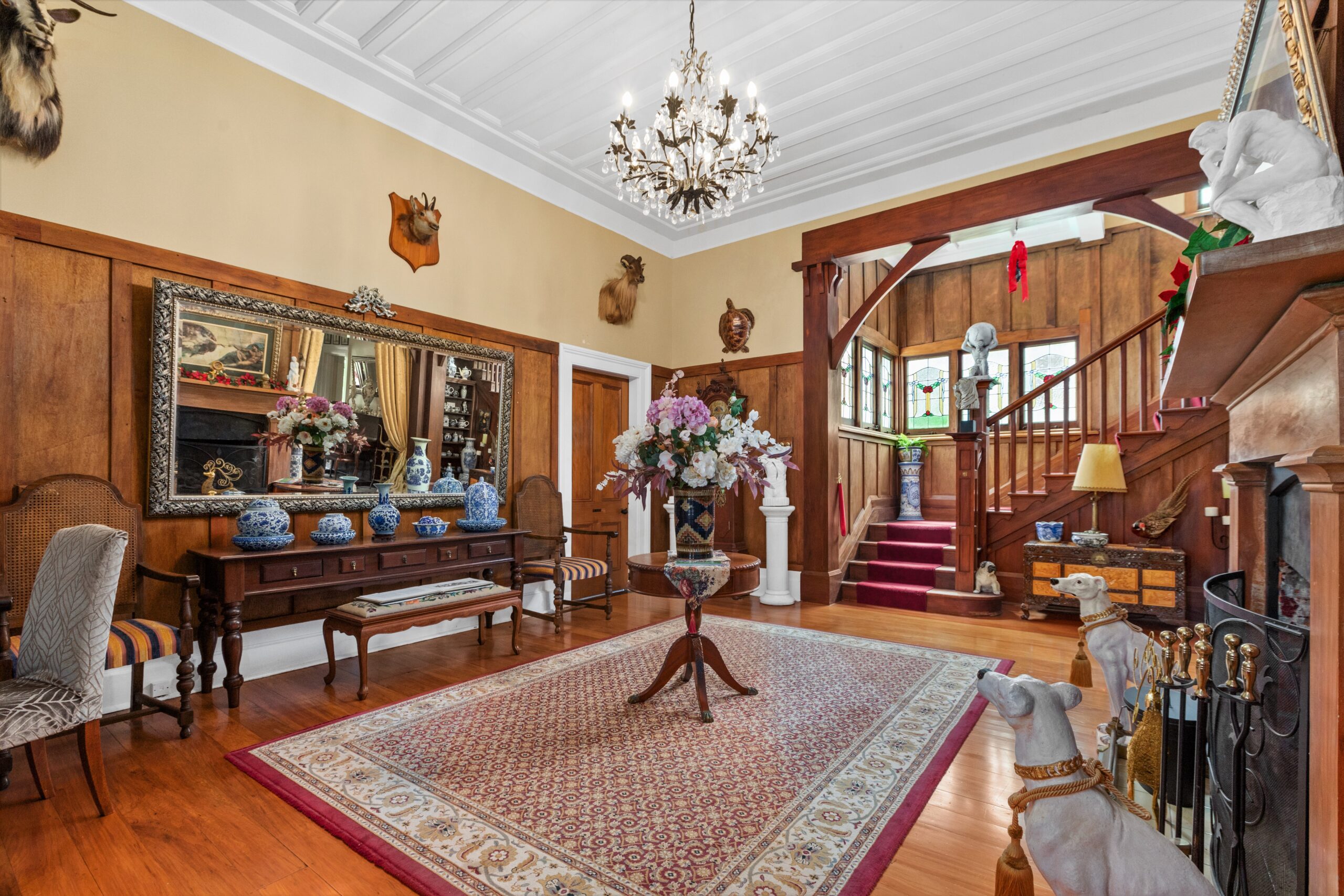
Historic homes like Ashcott Homestead have a natural advantage here. Original timberwork, generous verandas, mature park like gardens, and the quiet proportions of an older house offer a depth that cannot be manufactured overnight. Yet heritage alone is not enough. Guests still expect excellent beds, well-appointed private bathrooms, reliable comfort, and spaces that feel cared for rather than preserved behind glass.
The most successful properties hold both ideas together. They respect the building’s history while making room for contemporary ease. A carefully restored fireplace may sit alongside considered lighting; an antique chest may provide character without becoming an obstacle to a relaxed stay. The aim is not to recreate a museum. It is to make history hospitable.
Personal Hosting Is Becoming a True Luxury
Luxury is often associated with more: more space, more amenities, more spectacle. But for many guests, the rarest thing is now attentive, unhurried service that recognizes them as individuals. A warm greeting, a recommendation suited to their interests, and the simple reassurance that help is available without being intrusive can transform the entire experience.
This is where independent accommodation can offer something especially valuable. Hosts can respond to the rhythm of each stay. One couple may be looking for a peaceful afternoon among the gardens and an early evening meal nearby. Another may want a full day of winery visits, galleries, walks, and a scenic route that does not appear in the usual guidebook. Neither needs a rehearsed script. Both benefit from genuine local insight.
Personal service also requires good judgment. Guests appreciate conversation and thoughtful care, but they still value privacy. The balance depends on the traveler, the purpose of the visit, and the style of the property. The finest hosting notices the cues, offers help with grace, and leaves room for a stay to unfold naturally.
Local Knowledge Carries More Weight Than Generic Perks
A welcome drink or premium bath products can be lovely touches, but they do not always create a lasting connection to a destination. A host’s recommendation can. Knowing where to find a quiet lunch, which road offers the most beautiful drive, or when to visit a local attraction makes guests feel less like passersby and more like welcomed visitors.
In regions such as Central Hawke’s Bay, this can mean guiding guests toward the area’s vineyards, farm gates, country walks, village cafés, and seasonal events. The value lies in specificity. A broad suggestion to “explore the region” is less helpful than a recommendation shaped around the weather, the guests’ available time, and what they most enjoy.
Rest Is Being Designed, Not Assumed
Another of the defining boutique hospitality trends is a deeper respect for rest. Travelers may arrive after a long drive, a busy itinerary, or weeks of full calendars. They are not merely booking a bed. They are reserving the chance to slow down.
That expectation has changed how thoughtful properties approach room design. Quietness matters. So do natural light, a comfortable chair for reading, quality linens, useful bedside lighting, and a bathroom that feels private and restorative. A room with garden or farmland views offers more than a pleasant outlook. It gives guests a visual pause, a reason to linger with morning coffee, and a gentle reminder that they are away from the demands of home.
Wellness in this setting does not need to be elaborate. It can be a peaceful room, fresh air, a walk across the grounds, and a breakfast served with care. Some guests will seek spa treatments and structured programs, while others will value the simpler luxury of silence. Boutique properties do well when they understand that both are valid, and that calm should never feel overly programmed.
The Best Design Feels Collected, Not Staged
Guests have grown more discerning about interiors. They are drawn to rooms with personality, but can quickly sense when every surface has been arranged only for a photograph. The prevailing preference is for spaces that feel collected over time: beautiful, individual, and practical enough to be lived in.
Individually named guest rooms suit this approach particularly well. Rather than repeating the same design from door to door, each room can have its own atmosphere while still belonging to the larger house. One may feel sunlit and garden-facing; another may be more secluded and richly furnished. The common thread should be comfort and quality, not uniformity.
This is also where restraint matters. A heritage property need not fill every corner with antiques to prove its age. Carefully chosen pieces, good textiles, fresh flowers, and uncluttered surfaces can allow architectural details to speak. Guests should feel invited to settle in, not worried about touching anything.
Sustainability Is Becoming More Visible and More Practical
Many travelers want their choices to reflect a degree of care for the places they visit. In boutique accommodation, sustainability is most credible when it is woven into daily operations rather than announced with fanfare. Reducing unnecessary single-use items, supporting local producers, maintaining gardens with care, and preserving an existing historic building all contribute to a more considered model of hospitality.
There are trade-offs. Guests should never be asked to sacrifice comfort in the name of sustainability, nor should sustainability become a collection of vague claims. The strongest approach is practical and transparent. Refillable bathroom amenities, locally sourced breakfast ingredients, and sensible towel policies are meaningful when they are supported by genuine standards of cleanliness and service.
For heritage accommodation, preservation itself is part of the story. Looking after an old home and keeping it relevant for future guests is a form of stewardship. It honors the property while allowing new memories to be made within it.
Boutique Hospitality Trends Favor Meaning Over Excess
The future of boutique stays is not necessarily grander. It is more considered. Guests are choosing experiences that feel rooted in their surroundings, rooms that offer genuine restoration, and hosts who can make a destination feel accessible without overcomplicating it.
At Ashcott Homestead, the enduring appeal of a historic country stay lies in this balance: the graciousness of a home with a past, the comfort expected by modern travelers, and the pleasure of being welcomed into a distinctive corner of the region. For guests, the most valuable trend may be the simplest one – choosing places that leave them feeling not merely accommodated, but truly cared for.
Recent Comments