
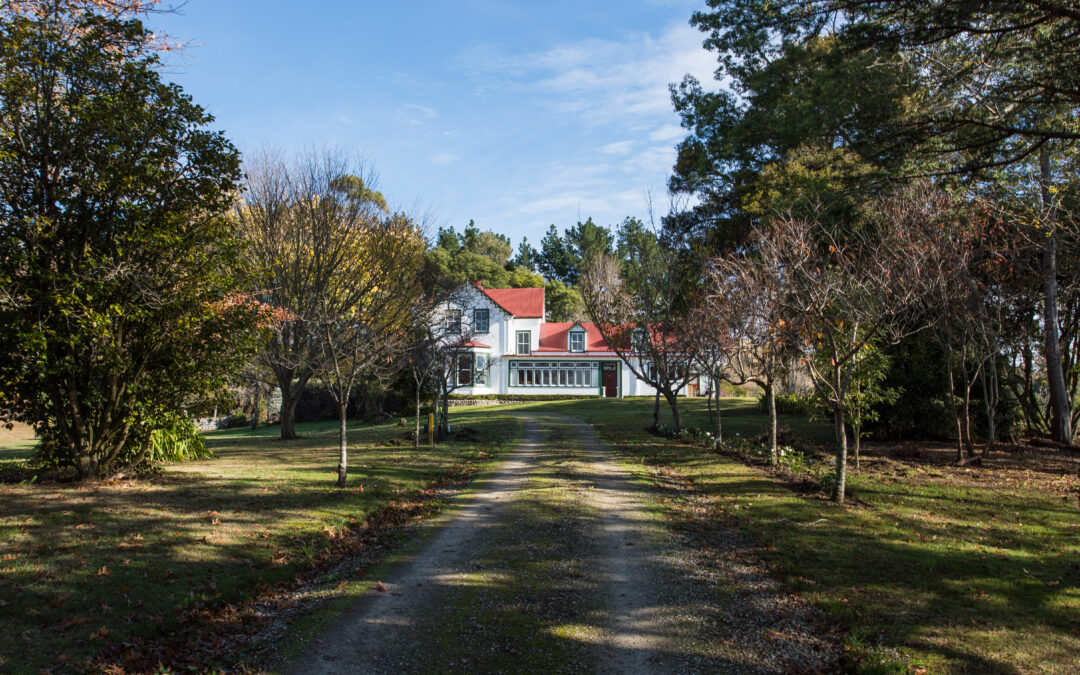
You can feel the difference before you even put your bag down. One stay begins with a lobby, a key card, and a polished routine. The other begins with a front door, a sense of history, and the quiet impression that you have arrived somewhere with a story. When weighing a heritage homestead vs modern hotel, the real choice is not simply where to sleep. It is how you want your time away to feel.
For many travelers, that distinction matters more than ever. A room can be comfortable in either setting, but comfort is only one part of a memorable stay. The atmosphere, the rhythm of the property, the welcome you receive, and the way a place connects you to its region all shape the experience in ways a booking page rarely captures.
Heritage homestead vs modern hotel: what changes most?
A modern hotel is built around consistency. That can be reassuring, especially if you are traveling for business, arriving late, or simply want to know exactly what to expect. Reception is efficient, amenities are standardized, and the overall experience is designed to be familiar from one stay to the next.
A heritage homestead offers something rather different. Its appeal lies in character rather than uniformity. Original architecture, established gardens, generous rooms, and the subtle details of a historic home create a stay with depth and personality. You are not stepping into a template. You are stepping into a place that has been lived in, cared for, and thoughtfully shared.
Neither option is automatically better in every circumstance. It depends on the kind of traveler you are, and the kind of trip you are planning. If your priority is efficiency and anonymity, a hotel may suit you well. If you are seeking beauty, stillness, and a stronger sense of place, a homestead often leaves the deeper impression.
The atmosphere is not a small detail
Hotels are designed to serve many people at once, which often means shared corridors, busy common areas, elevators, and the soft background hum of arrivals and departures. Even in a well-appointed property, there can be a sense of movement around you at all hours.
A heritage homestead tends to feel more settled. The pace is slower. Public spaces are often quieter and more intimate, with sitting rooms, verandas, gardens, or sweeping rural views that invite you to linger. That difference can be especially appealing for couples and leisure travelers who are not looking for activity as much as ease.
There is also a visual richness to heritage accommodation that modern hotels rarely replicate. Timberwork, high ceilings, fireplaces, mature trees, and rooms with individual names and identities all contribute to a feeling of staying somewhere distinctive. The setting becomes part of your holiday rather than a backdrop to it.
Service: polished efficiency or personal hosting?
Modern hotels are often excellent at delivering organized, professional service. Housekeeping runs on schedule, front desk staff manage a steady flow of guests, and systems are in place for almost everything. For some travelers, that structure is ideal.
Yet personal hosting is where a heritage property often shines. In a homestead setting, hospitality can feel far more human. You may be welcomed by owners or hosts who know the history of the house, the best time of day to visit a nearby winery, or which local road offers the loveliest countryside drive. That kind of guidance is not scripted. It comes from genuine knowledge of the region and care for the guest experience.
This is one of the most meaningful differences in the heritage homestead vs modern hotel conversation. Personalized attention is not merely a pleasant extra. It can shape your entire stay, especially in a destination where local insight helps you discover more than the obvious highlights.
Privacy looks different in each setting
At first glance, a large hotel might seem like the more private option because guests can come and go with little interaction. And for travelers who prefer independence and minimal contact, that can be a strength.
But privacy in a heritage homestead often takes another form. Fewer guest rooms usually mean fewer people on the property. There may be more physical space around you, more garden outlooks, and less noise carrying through walls and corridors. Instead of feeling one of many, you may feel peacefully removed from the demands of a crowded environment.
For a romantic getaway or a restorative break, that quieter kind of privacy can be more luxurious than complete anonymity.
Comfort is about more than amenities
Modern hotels are often associated with convenience. Reliable climate control, blackout curtains, in-room technology, and predictable bathroom layouts all make travel easier. There is real value in that, and a heritage stay should never ignore those expectations.
The finest homesteads understand this well. They preserve the grace of a historic property while offering the comforts modern guests rightly expect – quality bedding, private bathrooms, thoughtful room appointments, and spaces designed for genuine rest. The result can be especially appealing because it does not ask you to choose between charm and comfort.
That balance matters. A heritage property should feel elegant and welcoming, not precious or impractical. When done well, it offers the warmth of a private residence with the standards of premium accommodation.
A stronger sense of destination
One of the quiet drawbacks of many modern hotels is that they can feel detached from the place around them. You could be in one city or another and, once inside, the difference is minimal. The stay is functional, but the destination itself can fade into the background.
A heritage homestead tends to root you in the region. The architecture reflects local history. The grounds, views, and surrounding landscape remind you where you are. Conversations with hosts often lead to farmers’ markets, cellar doors, scenic drives, walking tracks, or small local treasures you might otherwise miss.
For travelers who want their accommodation to be part of the journey, this matters enormously. In a region known for countryside beauty, generous skies, and a slower rhythm of life, the place you stay should enhance that feeling rather than screen it out.
When a modern hotel makes more sense
There are times when a hotel is clearly the practical choice. If you need late-night check-in after a long flight, access to a gym or business facilities, or a central base for a tightly scheduled trip, the convenience of a hotel can be difficult to beat. Families needing connecting rooms or travelers collecting loyalty points may also prefer the predictability of a larger property.
This does not diminish the appeal of heritage accommodation. It simply shows that travel is situational. The right stay depends on what your days require.
When a heritage homestead is the better fit
If your trip is about unwinding, reconnecting, or marking an occasion, a homestead often feels more in tune with the moment. The setting encourages you to slow down. The architecture and interiors give your stay texture. The hosting adds warmth without intrusion.
It is especially well suited to couples, heritage-minded travelers, and guests who enjoy quiet luxury rather than highly packaged hospitality. If you are the sort of person who notices the quality of light in an old hallway, appreciates breakfast in a beautiful room, or values recommendations from someone who truly knows the district, the experience will likely resonate.
Properties such as Ashcott Homestead speak to exactly this kind of traveler – someone who wants comfort, certainly, but also atmosphere, story, and a memorable connection to the surrounding landscape.
The real question to ask before you book
Rather than asking which option is more luxurious, it is often better to ask what kind of memory you want to take home. A hotel may give you ease, speed, and consistency. A heritage homestead may give you calm, character, and the feeling that your accommodation was part of the destination rather than separate from it.
That is often the deciding factor. Most people do not reminisce about a smooth check-in process or a familiar hallway. They remember the room with the garden view, the creak of old floorboards, the conversation that led them to a hidden local gem, or the stillness of an evening spent in a place with history in its walls.
For travelers choosing between a heritage homestead vs modern hotel, the best answer is the one that suits the shape of the escape you want. If you are craving efficiency, choose efficiency. If you are craving depth, beauty, and a more personal welcome, choose the stay that feels less like passing through and more like arriving.
Sometimes the finest luxury is not more facilities. It is the rare pleasure of being somewhere that feels gracious, grounded, and genuinely cared for.
Recent Comments