
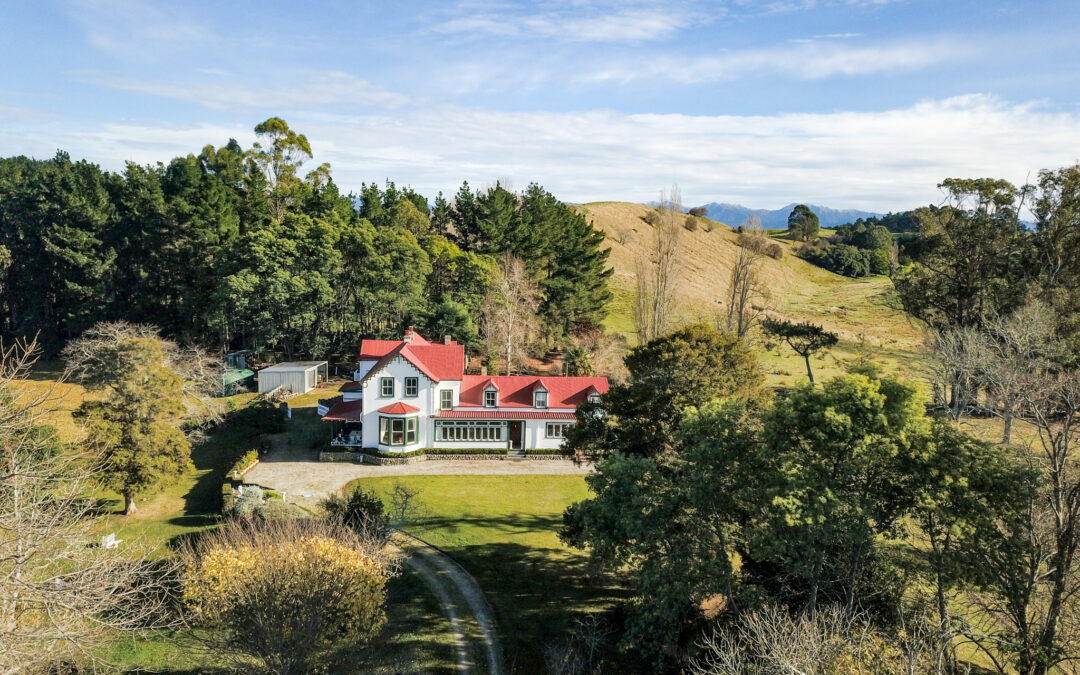
A heritage stay in Hawke’s Bay begins long before you step through the door of a homestead or wander a village main street. It starts with a sense of curiosity – the kind that turns a scenic drive into a story, and a beautiful building into a window onto the people who shaped this region. That is what makes a Hawkes Bay heritage guide so worthwhile for travelers who want more than a checklist of sights.
Hawke’s Bay wears its history with unusual grace. There are grand homesteads set among old trees, rural churches that still feel quietly central to their communities, and town centers where architecture tells its own tale of resilience and reinvention. For guests who appreciate comfort, character, and the pleasure of understanding a place more deeply, heritage travel here feels natural rather than staged.
Why a Hawkes Bay heritage guide adds so much to your stay
Some destinations are best known for one thing. Hawke’s Bay is not so simple, and that is part of its appeal. Visitors often arrive for wine, countryside, coastal light, or a restorative escape, then discover that the region’s historic layers give everything greater texture. A vineyard lunch feels different when you understand the agricultural legacy around it. A country road becomes more meaningful when it leads past old estates, mature shelter belts, and settlements built through determination and adaptation.
Heritage in Hawke’s Bay is also wonderfully varied. It is not limited to one grand era or one architectural style. You will find traces of early pastoral life, civic ambition, rebuilding after disaster, and the evolving character of local communities. Some sites are polished and prominent. Others are quieter and ask for a slower eye.
That balance is worth keeping in mind. If you prefer famous landmarks, the region certainly offers them. If you are more drawn to atmosphere – an old veranda, a stand of established trees, a churchyard, a gracious hallway, a weathered gate – Hawke’s Bay rewards that kind of attention too.
The heritage character of the region
Hawke’s Bay heritage is closely tied to land, settlement, and enterprise. Large pastoral properties helped shape the region’s early identity, and many homesteads still suggest that legacy through their proportions, gardens, and sense of permanence. Even when details have been carefully restored, the appeal is not museum-like perfection. It is the feeling of continuity.
Then there are the towns. In some places, heritage appears in civic buildings and commercial streetscapes that speak of optimism and regional pride. In others, it lives in more domestic forms – old houses, schools, halls, and churches that remain woven into everyday life. A thoughtful visitor begins to notice how these places relate to one another. The countryside and the towns are not separate stories. They are chapters of the same one.
Natural events have shaped that story as well. In Napier, the rebuilding that followed the 1931 earthquake created one of the world’s most distinctive concentrations of Art Deco architecture. That means a heritage journey through Hawke’s Bay can move from the graciousness of rural estates to the clean geometry and bold confidence of an urban center, all within a manageable distance.
Start with the homesteads and estates
For many travelers, the most memorable heritage experiences in Hawke’s Bay begin in the country. Historic homesteads have a particular power because they combine architecture, landscape, and personal scale. You are not just looking at a facade. You are sensing how people lived, entertained, worked, and related to the land around them.
The most rewarding properties are those that retain a lived-in dignity. Original detailing matters, of course, but so does atmosphere. Timber, fireplaces, sash windows, mature gardens, long views across farmland – these elements create the quiet richness that heritage-minded guests often seek. Luxury and history need not compete. In the best places, comfort allows you to appreciate the past more fully.
If this style of travel appeals, it is worth planning at least one stay in a heritage property rather than simply visiting historic places by day. A night or two changes your pace. You notice morning light in old rooms, the hush of established grounds, and the pleasure of returning from an outing to surroundings with real character. At Ashcott Homestead, for example, that sense of welcome and continuity is part of the experience itself.
Towns where history still feels present
A strong Hawkes Bay heritage guide should include towns as well as country properties, because each offers a different lens on the region.
Napier is the obvious starting point for many visitors, and rightly so. Its Art Deco identity is internationally known, but the appeal is not only visual. There is a mood to the place – confident, elegant, and distinctly of its era. Walking the streets at an unhurried pace is far better than rushing through for photographs alone. Look up at parapets and detailing, and you begin to see how rebuilding became a statement of civic style.
Hastings offers a different rhythm. Its heritage is less likely to be reduced to one label, which can make it especially satisfying for travelers who enjoy discovering character gradually. Markets, older buildings, and the surrounding productive landscape all contribute to the sense of a region grounded in both history and present-day life.
Smaller settlements across Central Hawke’s Bay deserve time too. Villages and country townships may not announce themselves loudly, yet they often hold some of the most affecting details: an old hall still in use, a church framed by trees, a main street whose scale remains refreshingly human. These are the places where heritage feels less curated and more quietly continuous.
Churches, public buildings, and local landmarks
Not every meaningful heritage site is grand. In fact, some of the most memorable are modest in scale. Small churches, memorials, schools, and community buildings often reveal how local life was organized and sustained. They can also offer a gentler experience than major attractions, especially for travelers who prefer reflection to crowds.
This is where it helps to leave room in your day rather than over-scheduling. Heritage travel is often about permission to pause. A building glimpsed from the road may lead to the most lasting impression of the trip.
That said, access varies. Some places are open regularly, others only at certain times or by arrangement. Preservation needs, private ownership, and active community use all shape what visitors can see. A flexible attitude serves you well. The goal is not to collect every site, but to experience the region with care.
How to plan a more rewarding heritage itinerary
The best heritage journeys in Hawke’s Bay are rarely the busiest ones. A thoughtful plan usually combines one or two well-known places with quieter discoveries in between. Rather than racing from landmark to landmark, choose a comfortable base and explore in arcs.
Morning tends to suit town walks and architectural wandering, particularly in warmer months. Midday is ideal for a leisurely lunch in a village or winery setting. Late afternoon often belongs to the countryside, when the light softens and older buildings seem to settle even more beautifully into the landscape.
It also helps to match your itinerary to your interests. If architecture is your focus, spend more time in Napier and older civic precincts. If you are drawn to rural life, gardens, and homestead history, give yourself longer in the country. If you enjoy social history, seek out museums and local stories alongside the more photogenic sites. There is no single correct version of a heritage trip here.
The season matters too. Summer offers long days and outdoor ease, while cooler months can make heritage interiors feel especially inviting. Fireplaces, paneling, deep armchairs, and sheltered verandas all come into their own when the weather turns. The trade-off is shorter daylight, so a slower pace is wise.
What heritage-minded travelers often value most
It is tempting to think heritage travel is mainly about age, but that misses the deeper appeal. What many guests truly value is authenticity joined with comfort. They want beauty, certainly, but also context. They want to feel the distinction between a place with its own story and one that could be anywhere.
That is why hosting matters. Local insight can transform a stay, suggesting roads to take, buildings worth noticing, and corners of the region that guidebooks may treat lightly or miss altogether. A well-timed recommendation can turn a pleasant afternoon into something far more memorable.
There is also a restorative quality to heritage travel when it is done well. Instead of constant stimulation, it offers steadiness. Old houses, established grounds, and enduring townscapes encourage a different tempo – one that suits couples, thoughtful travelers, and anyone who appreciates quiet luxury over novelty for its own sake.
A good heritage journey in Hawke’s Bay does not ask you to see everything. It asks you to notice what is before you, and to let the region reveal itself with a little patience. That is often when the stay becomes unforgettable.
Recent Comments