
A homestead stay begins differently from a hotel stay. There may be a sweeping driveway, mature trees framing the house, and a first glimpse of architecture that has witnessed generations of country life. If you are wondering what to expect at a homestead, think less of a standardized room and more of being welcomed into a place with a distinct story, gracious comforts, and time enough to appreciate both.
For travelers drawn to heritage, quiet, and a more personal sense of place, a homestead offers an experience that is as much about atmosphere as accommodation. In Central Hawke’s Bay, it can also become a wonderfully placed base for vineyard visits, country drives, village discoveries, and unhurried afternoons.
What to Expect at a Homestead: Character With Comfort
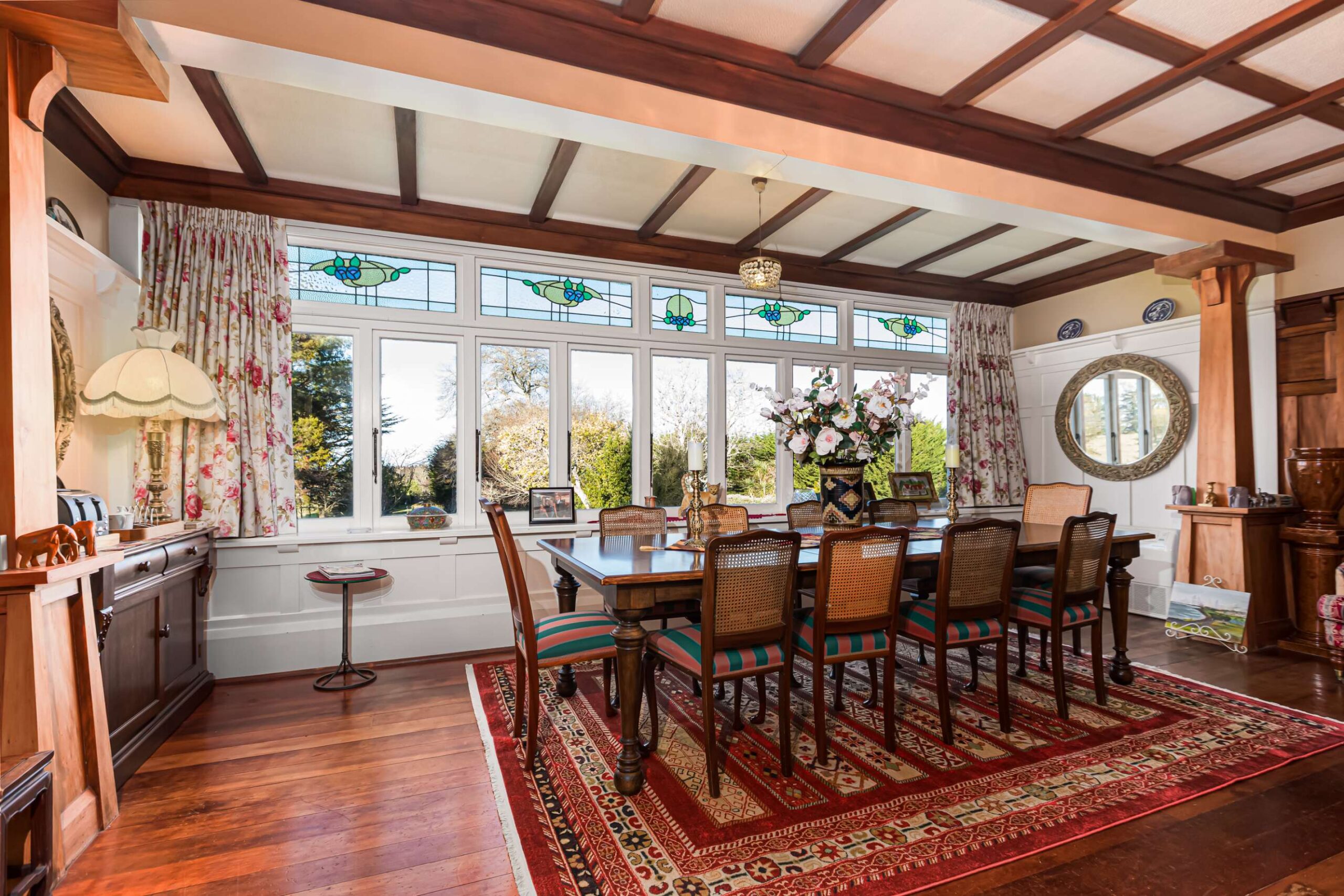
A historic homestead is not designed to feel identical in every corner. Original proportions, fireplaces, timberwork, verandas, high ceilings, and garden outlooks are often part of its appeal. Rather than a corridor of matching rooms, you may find individually named guest rooms with their own outlook, furnishings, and small details that reflect the house’s character.
This individuality is worth embracing. One room may be especially suited to early light over the gardens, while another may feel more private or offer a broader view of farmland. For couples planning a special escape, it is sensible to ask which room best suits the kind of stay you have in mind. A thoughtful host can help match you with a room that feels right, whether your priority is space, scenery, or a particularly peaceful retreat.
Heritage accommodation should never mean sacrificing the essentials of a restorative stay. The best properties balance period character with the comforts modern guests reasonably expect: a well-appointed private bathroom, quality linens, reliable heating or cooling as appropriate to the season, and a room prepared with care. At Ashcott Homestead, the pleasure lies in this balance – historic surroundings paired with the ease and privacy of a considered boutique stay.
A Slower Pace, Without a Rigid Schedule
One of the first things guests notice at a country homestead is the change in pace. Mornings need not begin with traffic, elevator queues, or the clatter of a busy city street. Instead, they may open to birdsong, a view across lawns or paddocks, and the gentle sense that there is nowhere you need to rush.
That does not mean there is nothing to do. It simply means the day can be shaped around your interests rather than a crowded itinerary. Linger over breakfast, take a walk around the grounds, set off for a winery lunch, or return in time to sit outside before dinner. A homestead stay makes room for the pleasant pauses that are often missing from everyday life.
The trade-off is that this is a rural experience, not a downtown one. Shops, restaurants, and attractions may require a drive, particularly in the evening. Many guests see that as part of the charm, but it is useful to plan ahead: reserve popular dining spots, check driving times, and keep a little flexibility in your schedule. The reward is a sense of calm that is difficult to find in a more central setting.
Personal Hosting and Local Knowledge
At a large hotel, advice can be helpful but generalized. At a host-led homestead, recommendations tend to be more personal. Your hosts may point you toward a favorite nearby café, a scenic route that does not appear in the guidebooks, a cellar door suited to your taste, or a local activity that fits the weather on the day.
This kind of guidance is particularly valuable in a region as varied as Hawke’s Bay. One day might call for tasting local wines and lingering over lunch; another might be better spent browsing galleries, exploring a country town, or taking the long way through the landscape. Let your hosts know what you enjoy and how much time you have. A good recommendation is not simply a list of places. It is a suggestion shaped around you.
Personal hosting also brings a warmer arrival and a more attentive stay. You may be greeted by name, shown around the property, and invited to settle in rather than simply handed a key. This does not require constant interaction. The finest hospitality understands when to offer conversation and when to leave guests to enjoy their privacy.
Grounds That Are Part of the Stay
At a homestead, the room is only one part of the experience. The grounds often provide the setting for the moments guests remember: coffee in the morning sun, a book beneath an old tree, a walk along a garden path, or the changing light across open country in late afternoon.
Give yourself time to enjoy these spaces. It is easy to fill every day with regional plans, especially when there is so much nearby to see. Yet a homestead is not merely a place to sleep between outings. Its gardens, verandas, and rural views invite you to be present for an hour or two with no agenda at all.
The season will shape what you see. Summer offers long, warm evenings and abundant garden color. Autumn brings softer light and a slower rhythm around harvest time. Winter can make the indoors especially inviting, with the pleasures of a warm room and a quiet countryside beyond the windows. Spring, meanwhile, brings fresh green growth and the welcome return of longer days. There is no wrong season, although the best choice depends on whether you are seeking outdoor exploration, wine country experiences, or a cozy retreat.
History You Can Feel, Not Just Read About
A heritage homestead offers something more tangible than a historic plaque. You may notice the craftsmanship in a staircase, the age of the trees, the scale of rooms made for a different era, or the way the house sits within its landscape. These elements give a stay a depth that newer accommodation cannot easily recreate.
It is also worth remembering that old houses have their own personalities. A preserved building may have uneven character, distinctive layouts, or features that reflect its period rather than current design trends. For most heritage-minded guests, these are not inconveniences but part of the privilege of staying somewhere authentic. Still, if accessibility needs, mobility considerations, or particular room requirements are important, discuss them before booking. The right room and clear expectations make all the difference.
How to Make the Most of Your Homestead Stay
The best approach is to arrive with a little curiosity and leave some room in your plans. Choose a room that suits your preferences, ask for local suggestions, and avoid treating the property as a simple overnight stop. Bring clothing for changing country weather, comfortable shoes for the grounds, and perhaps something you have been meaning to read.
For a celebratory weekend, a homestead can be especially memorable when you plan one or two anchor experiences rather than trying to see everything. A leisurely lunch, a tasting, a scenic drive, or a special dinner can frame the day beautifully. The quieter hours at the property then become part of the occasion rather than empty time between activities.
A fine homestead stay leaves you with more than photographs of a handsome house. It gives you the rare pleasure of feeling briefly connected to a landscape, a history, and a pace of life that asks very little of you except that you slow down and enjoy it.
Recent Comments